SUMMARY
Rooftop HVAC units should be inspected during the fall shoulder season, before winter weather makes access, performance, and emergency service more difficult. In this blog, we explain why the period before sustained cold weather is the right time for commercial building teams to review rooftop equipment, correct developing issues, and prepare for lower temperatures, wind, snow, and freezing conditions. We also cover the key components that should be checked, including belts, filters, coils, drains, economizers, weatherproofing, electrical components, and controls.
Why Rooftop HVAC Units Need Attention Before NYC Winter Weather
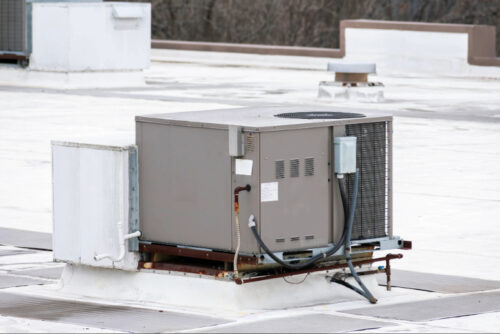 Rooftop HVAC units work hard throughout the year, but winter creates a different set of challenges for commercial buildings in New York City. Cold temperatures, wind, snow, ice, freezing rain, and difficult roof access can turn a small maintenance issue into a larger service problem if equipment is not inspected before the season changes.
At Donnelly Mechanical, we know that rooftop equipment needs to be ready before winter weather arrives. Once temperatures drop, building teams have less flexibility. A unit that needs a belt replacement, drain repair, filter change, control adjustment, or electrical inspection may be harder to access safely during snow, ice, or high winds.
The fall shoulder season is the right time to prepare. During this transition period, facility teams have a practical window to inspect equipment, correct developing issues, and prepare rooftop units before heating demand becomes consistent. Proactive maintenance can help reduce winter service issues, protect tenant comfort, and give building teams more confidence heading into colder conditions.
FALL HVAC MAINTENANCE CHECKLIST FOR NYC COMMERCIAL BUILDINGS
Why rooftop units face added winter pressure
Rooftop HVAC units are exposed to outdoor conditions every day. In New York City, that can mean summer heat, coastal moisture, heavy rain, wind, snow, ice, and rapid temperature swings. By the time fall arrives, rooftop equipment may already be carrying the effects of months of cooling demand and outdoor exposure.
Winter adds another layer of stress. Heating components may need to operate after sitting idle or lightly used. Belts and motors may face colder operating conditions. Dampers and economizers may need to move reliably in lower temperatures. Drains, pans, and other areas exposed to water may become vulnerable to freezing.
ASHRAE Standard 180 establishes minimum HVAC inspection and maintenance requirements intended to preserve a commercial system’s ability to support acceptable thermal comfort, energy efficiency, and indoor air quality. That structured approach is especially important for rooftop units because small issues can become harder to address once winter weather limits access.
Roof access becomes more difficult in winter
Rooftop equipment is different from indoor mechanical systems because service access depends on weather and site conditions. During winter, snow, ice, wind, and poor visibility can make roof work more difficult and potentially more hazardous.
OSHA’s winter weather guidance notes that winter conditions can create hazards such as ice, snow-covered surfaces, and rooftop risks. OSHA also recommends clearing walking surfaces of snow and ice as quickly as possible after winter storms to help prevent slips, trips, and falls.
For commercial buildings, this makes timing important. If a rooftop unit needs maintenance, it is better to know before a storm, not during one. A planned inspection during the fall shoulder season can help reduce the chance that a preventable issue turns into an urgent service call during difficult roof conditions.
Belts, filters, and airflow should be checked early
Belts, filters, and airflow are basic maintenance items, but they have a major impact on rooftop unit performance. A worn belt, dirty filter, or restricted airflow can make equipment work harder, reduce heating or cooling effectiveness, and contribute to comfort complaints.
ENERGY STAR’s commercial building maintenance guidance recommends regular HVAC maintenance practices, including annual HVAC tune-ups through a maintenance contract. ENERGY STAR also recommends energy audits to identify building systems that have become inefficient and bring them back toward peak performance.
During a rooftop inspection, our technicians can check filter condition, belt tension, pulley alignment, fan operation, motor performance, and signs of vibration or wear. These checks help identify small problems before they affect reliability during colder weather.
SMART HVAC MONITORING FOR NYC BUILDINGS: WHY IT MATTERS
Coils, drains, and pans need attention before freezing weather
Coils, drains, and condensate pans should be reviewed before freezing conditions become consistent. Dirt, debris, standing water, clogged drains, or damaged pans can create problems when temperatures drop.
If water does not drain properly, freezing conditions can lead to ice buildup, blockages, leaks, or damage around the unit. Debris around rooftop equipment can also interfere with airflow, drainage, and safe maintenance access.
A fall rooftop maintenance visit gives our team the opportunity to inspect coils, clear visible debris, review drain condition, check pans, and look for signs of corrosion or water issues. Addressing these details before sustained cold weather can help reduce the risk of problems that are more difficult to correct once ice or snow is present.
Economizers and dampers should be tested before the season changes
Economizers, outside air dampers, and actuators can affect comfort, ventilation, and energy performance. If they do not open, close, or modulate correctly, the system may bring in too much outside air, not enough outside air, or operate less efficiently than intended.
In NYC winter conditions, a damper that is stuck open can introduce too much cold air and increase heating demand. A damper that does not open properly can affect ventilation and system operation. Actuators and linkages may also become harder to move if they are already worn, dirty, or misaligned.
Before winter, facility teams should confirm that economizers and dampers respond properly to control commands. Our technicians can test movement, check linkage condition, review control signals, and identify issues that may interfere with reliable operation.
Weatherproofing protects equipment from wind, water, and ice
Rooftop HVAC units are designed for outdoor installation, but they still need weather-related inspection. Panels, seals, gaskets, curb conditions, access doors, fasteners, insulation, and penetrations can all affect how well the unit holds up during winter weather.
Strong wind can loosen panels or expose weak points. Water intrusion can affect insulation, controls, or electrical components. Ice can worsen existing gaps or drainage problems. A missing screw, damaged gasket, or poorly sealed access panel may seem minor during mild weather, but it can become more serious during winter.
Weatherproofing checks help confirm that rooftop units are properly closed, protected, and ready for colder conditions. This is also a good time to review roof conditions around the unit, including safe access paths and any visible issues that may affect serviceability.
Electrical components and controls need a winter readiness check
Electrical components and controls should be inspected before rooftop units are needed during colder weather. Loose connections, worn contactors, damaged wiring, sensor issues, failed safeties, or control problems can all affect system reliability.
Winter weather can make electrical and control issues more disruptive because emergency access may take longer and building comfort can be affected more quickly. A planned inspection allows our team to check for visible wear, review operating sequences, confirm safeties, test heating operation, and look for alarm conditions before the system is under full seasonal demand.
Controls are also important because they determine how the unit responds to changing outdoor temperatures, occupancy schedules, and heating needs. A rooftop unit may have the right mechanical components, but poor control response can still create comfort issues or inefficient operation.
WHY BUILDING MANAGEMENT SYSTEMS ARE IMPORTANT FOR HVAC
How proactive maintenance helps reduce winter service calls
Preventive service helps building teams move from reactive repairs to planned care. Instead of waiting for a rooftop unit to fail during cold weather, facility teams can address issues while access is easier and before tenant comfort is affected.
A winter readiness visit may include:
- Checking filters, belts, motors, and fans
- Inspecting coils, drains, pans, and visible debris
- Testing economizers, dampers, and actuators
- Reviewing heating operation and safeties
- Inspecting electrical components and control response
- Checking access panels, gaskets, fasteners, and weatherproofing
- Looking for signs of corrosion, water intrusion, or vibration
- Confirming that service access is clear and practical before winter
Early preparation helps facility teams reduce avoidable winter service issues. Once cold weather, snow, ice, and wind arrive, rooftop access can become more difficult and urgent service calls may be harder to coordinate. Inspecting equipment during shoulder season gives building teams more time to address developing problems before they affect comfort, reliability, or operations.
Work with an NYC commercial HVAC partner before winter
Rooftop HVAC units need attention before winter because weather can make every service issue harder. A filter change, belt adjustment, control repair, drain concern, or weatherproofing issue is easier to address before snow, ice, wind, and freezing temperatures complicate access.
At Donnelly Mechanical, we help NYC building owners, property managers, and facility teams prepare rooftop HVAC equipment for the season ahead. Our approach is practical, thorough, and built around the realities of New York City commercial buildings.
If your rooftop units have not been inspected before winter, fall shoulder season is the right time to schedule service. A proactive maintenance visit can help identify developing issues, reduce avoidable service calls, and support more reliable building performance through colder weather.
A good time to inspect rooftop HVAC units is during the fall shoulder season, before sustained cold weather, snow, ice, and freezing conditions arrive. This gives facility teams time to review equipment, make repairs, and prepare systems before rooftop access becomes more difficult.
Facility teams should check belts, filters, coils, drains, condensate pans, economizers, dampers, actuators, electrical components, controls, heating operation, access panels, gaskets, and weatherproofing before winter weather arrives.
Snow, ice, wind, and freezing temperatures can make rooftop access more difficult and may delay emergency service. Ice can also create slip hazards, while snow can hide rooftop hazards and make maintenance work more challenging.
Economizers and dampers control outside air intake and ventilation. If they are stuck, misaligned, or not responding correctly, they can affect comfort, heating demand, ventilation, and overall rooftop unit performance.
Proactive maintenance helps identify worn belts, dirty filters, clogged drains, control issues, electrical concerns, and weatherproofing problems before colder weather places more demand on the unit. Addressing these issues early can reduce emergency service calls and tenant comfort complaints.
 Get in Touch