SUMMARY
Commercial HVAC fall maintenance in NYC helps building teams prepare for colder weather before heating season creates higher demand on equipment. This blog outlines practical fall maintenance steps for NYC commercial buildings, including heating system inspections, filter changes, controls review, airflow checks, ventilation review, and documentation. A proactive fall checklist can help reduce emergency calls, protect tenant comfort, and support more reliable HVAC performance through the colder months.
The Essential Fall HVAC Maintenance Checklist for NYC Commercial Buildings
Fall is one of the most important maintenance windows for NYC commercial buildings. Cooling demand begins to ease, heating equipment needs to be ready, and facility teams have a limited window to address small issues before colder weather puts greater pressure on HVAC systems.
For building owners, property managers, and facility managers, Commercial HVAC fall maintenance in NYC is not just a seasonal task. It is a risk-reduction strategy. A proactive checklist helps teams confirm that equipment is operating properly, tenant spaces are prepared for comfort needs, and service issues are addressed before they become emergency repairs.
New York City buildings operate in a demanding environment. Many properties have aging infrastructure, high occupancy, complex mechanical rooms, tight access constraints, and energy performance goals to manage. That makes fall HVAC maintenance a practical step toward stronger performance, fewer disruptions, and greater peace of mind.
CONDUCTING HVAC SYSTEM ANALYSIS: A COMPREHENSIVE GUIDE
Why fall HVAC maintenance matters in NYC
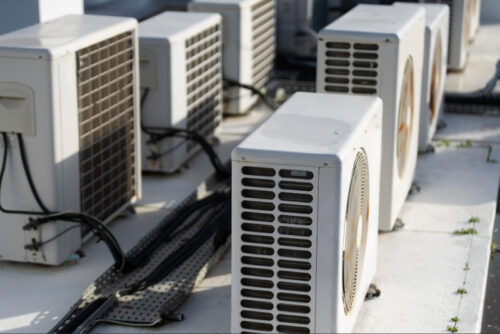 In New York City, colder weather can arrive quickly, and building teams do not want to discover heating system issues after tenants are already uncomfortable. Fall gives facility teams time to inspect equipment, review controls, test system performance, and schedule needed service before the heating season is fully underway.
NYC designates October 1 through May 31 as heat season for many building requirements, and complaints about inadequate heat in commercial or non-residential buildings are not accepted by NYC311 until October 1. For commercial properties, this timing reinforces the importance of preparing systems before the first sustained cold period.
Fall maintenance also supports energy and compliance planning. Local Law 97 requires most New York City buildings over 25,000 square feet to meet greenhouse gas emissions limits beginning in 2024, with stricter limits scheduled for 2030. NYC also notes that buildings produce more than two thirds of the city’s greenhouse gas emissions. HVAC maintenance is not a full compliance strategy by itself, but properly maintained systems are better positioned to operate efficiently and support broader energy goals.
1. Inspect heating equipment before demand increases
The first priority is confirming that heating equipment is ready for regular operation. Depending on the building, this may include boilers, furnaces, heat pumps, rooftop units, air handling units, terminal units, heat exchangers, pumps, valves, and related controls.
Facility teams should confirm that equipment starts properly, responds to controls, reaches target conditions, and operates without unusual noise, vibration, odor, or short cycling. Combustion equipment should be reviewed by qualified professionals, with attention to safe operation, venting, burners, safeties, and manufacturer requirements.
This is also the time to look at prior service history. If a boiler, pump, rooftop unit, or air handler created issues last winter, fall is the right window to revisit those concerns. Repeated alarms, tenant complaints, or emergency repairs from the previous season should not be treated as isolated events. They may point to larger maintenance or controls issues that need attention before winter.
2. Replace filters and review airflow
Airflow problems can affect tenant comfort, indoor air quality, system efficiency, and equipment life. Filters are one of the simplest but most important maintenance items because clogged filters can restrict airflow and force equipment to work harder.
ENERGY STAR notes that dirty filters can increase energy costs and damage equipment, leading to early failure. It also notes that dirty coils can reduce a system’s ability to transfer heat and cause longer runtime. In a commercial building, those problems can spread across tenant areas quickly.
During fall maintenance, facility teams should inspect and replace filters as needed, confirm that filters fit correctly, and check for bypass around filter racks. Airflow should also be reviewed at air handlers, rooftop units, fan coil units, VAV boxes, and tenant zones where comfort complaints have been recurring.
Filter maintenance should match the building’s use. A standard office, medical space, retail area, restaurant, gym, or mixed-use property may have different filtration needs based on occupancy, dust load, ventilation requirements, and equipment design.
3. Check controls, sensors, and building schedules
Many HVAC issues are not caused by failed equipment. They are caused by controls that are drifting, sensors that are inaccurate, or schedules that no longer match the way the building is used.
Fall is a good time to confirm setpoints, occupied and unoccupied schedules, warm-up sequences, economizer operation, outdoor air damper positions, and tenant-specific overrides. If occupancy patterns changed during the year, the HVAC schedule should be reviewed accordingly.
A building management system can be especially useful here, but only if the data is accurate and the sequence of operation still fits the building. Trend logs, alarms, runtime data, and zone temperatures can help facility teams identify where systems are short cycling, running after hours, or heating and cooling against each other.
ASHRAE Standard 180 establishes minimum HVAC inspection and maintenance requirements intended to preserve acceptable thermal comfort, energy efficiency, and indoor air quality in new and existing commercial buildings. A controls review supports that same goal by helping facility teams confirm that the system is operating as intended, not just running.
WHY BUILDING MANAGEMENT SYSTEMS ARE IMPORTANT FOR HVAC
4. Review ventilation and indoor air quality
Ventilation remains important during the heating season. As buildings shift from cooling to heating, facility teams should confirm that outdoor air systems, dampers, exhaust fans, and ventilation controls are working properly.
Poor ventilation balance can create comfort complaints, stale air, odor issues, pressure problems, and uneven temperatures. In some cases, tenant buildouts or space-use changes can alter airflow needs after the original system was designed.
Fall maintenance should include a review of:
- Outdoor air dampers and actuators
- Exhaust fans and relief air paths
- Economizer operation where applicable
- Ventilation schedules
- Zone airflow concerns
- Pressure relationships in sensitive areas
- Tenant spaces with recurring comfort or air quality complaints
This does not mean every building needs a major ventilation project. It means facility teams should verify that existing systems are functioning properly before heating demand increases.
5. Inspect coils, drains, belts, pumps, and moving parts
Fall maintenance should include the components that support reliable system operation behind the scenes. Dirty coils, worn belts, failing bearings, clogged drains, loose electrical connections, and pump issues can all reduce performance or lead to service calls during the heating season.
ENERGY STAR recommends improving operations and maintenance practices by regularly checking and maintaining equipment so it functions efficiently. It also recommends considering energy audits to identify where building systems have become inefficient over time.
Key items to review include:
- Heating and cooling coils
- Condensate pans and drains
- Belts, bearings, pulleys, and motors
- Pumps, valves, strainers, and seals
- Electrical connections and starters
- Thermostats, sensors, and control wiring
- Insulation on accessible piping
- Rooftop unit panels, access doors, and weather exposure
These checks help reduce the chance that a small mechanical issue becomes a larger disruption during colder weather.
6. Confirm documentation and maintenance priorities
A fall checklist is only useful if the results are documented and acted on. Facility teams should record findings, note deficiencies, identify urgent repairs, and separate immediate needs from longer-term recommendations.
Documentation should include equipment condition, completed maintenance tasks, open issues, replacement parts needed, trend data, and tenant areas that require follow-up. This gives building owners and property managers a clearer view of risk before winter begins.
Strong documentation also helps with budgeting. If certain equipment is aging, inefficient, or repeatedly requiring service, fall maintenance can help determine whether the next step should be repair, controls adjustment, modernization, or capital planning.
HOW THE INTERNET OF THINGS (IOT) WILL SHAPE THE HVAC INDUSTRY
How Donnelly Mechanical helps NYC buildings prepare
Commercial HVAC Fall Maintenance in NYC requires more than a quick equipment check. It requires a clear understanding of how HVAC systems, controls, tenant needs, maintenance history, and building operations work together.
At Donnelly Mechanical, we help NYC building owners, property managers, and facility teams prepare for heating season with reliable HVAC service, customized maintenance agreements, system analysis, and long-term performance planning. Our team understands the demands of New York commercial buildings, from limited access and complex mechanical systems to tenant comfort and energy expectations.
A strong fall maintenance plan helps reduce surprises when colder weather arrives. It also gives building teams a practical way to protect comfort, improve reliability, and make more informed decisions about HVAC performance.
Fall maintenance helps building teams prepare heating systems before colder weather creates higher demand. It can reduce emergency repairs, support tenant comfort, identify controls issues, and give facility teams time to address problems before heating season is fully underway.
A fall checklist should include heating equipment inspection, filter replacement, airflow review, controls testing, sensor checks, ventilation review, coil inspection, drain checks, belts, pumps, valves, and documentation of open service needs.
NYC commercial buildings should schedule fall HVAC maintenance before sustained cold weather arrives, ideally early enough to allow time for repairs, parts, controls adjustments, or additional system testing before heating demand increases.
Yes. Clean filters, maintained coils, accurate controls, proper schedules, and well-functioning equipment can help reduce unnecessary runtime and support more efficient HVAC operation. This is especially important for buildings managing energy performance goals.
Donnelly Mechanical supports NYC commercial buildings through HVAC service, maintenance, system analysis, controls review, and customized maintenance agreements. Our team helps facility managers identify heating season risks and plan practical next steps before issues become disruptions.
 Get in Touch