SUMMARY
Commercial HVAC issues escalate fast in NYC when tenant comfort, critical spaces, and tight access constraints collide. This blog outlines the safest first checks a facility team can run, what to document before calling for emergency service, and how that preparation shortens downtime. You will also learn what symptom patterns typically signal so you can communicate clearly and get the right response faster.
What counts as an HVAC emergency in a NYC building
In commercial buildings, an HVAC emergency means a condition that threatens occupant safety, business continuity, or equipment integrity. In NYC, that often includes total loss of cooling during peak loads, failures affecting critical environments like data rooms and medical suites, alarms on major equipment, electrical trips, or water conditions that risk property damage.
Your goal in the first 15 to 30 minutes is to stabilize the situation and tighten the scope. You are not trying to troubleshoot at a component level. You are confirming what changed, limiting escalation risk, and gathering the information that lets the service team move decisively on arrival.
First priority: Protect people, spaces, and equipment
Start with safety and site protocols. If your building uses lockout and tagout procedures, follow them exactly. OSHA’s hazardous energy control standard exists to prevent injury from unexpected startup or stored energy release.
If you see smoke, a burning odor, sparking, active water near electrical equipment, or anything that suggests imminent hazard, stop and escalate through your building’s emergency procedures. If temperatures are rising in occupied or sensitive areas, implement approved temporary measures to protect people and critical assets while you coordinate service.
Fast checks your facility team can run safely
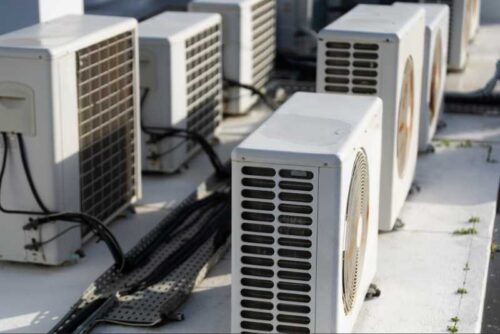 These checks are intentionally operational. If a step requires opening electrical panels, bypassing safeties, or working on energized components, it should be handled only by qualified personnel under your safety program.
1. Confirm scope and impact
Get clarity before you act.
- Which floors, zones, or tenants are affected?
- Is the problem localized or building-wide?
- Did it start suddenly, or has performance been drifting?
If you have a Building Automation System (BAS), check zone temperatures, supply air temperatures, and current operating modes. This immediately reduces guesswork and prevents wasted time chasing symptoms that do not match the data.
2. Verify setpoints, schedules, and overrides
Comfort issues are frequently caused by configuration changes rather than mechanical failure. Confirm current setpoints, schedules, and any overrides at the zone and system level. ENERGY STAR maintenance guidance specifically calls out thermostat settings as a baseline operational check.
In multi-tenant NYC buildings, this matters because schedule changes, tenant overrides, and after-hours events can ripple across larger areas than expected.
3. Look for obvious airflow restrictions
If equipment is running but cooling is weak, reduced airflow is one of the fastest issues to rule out.
Confirm the following items that your team can check without invasive work:
- Return and supply grilles are not blocked by furniture, boxes, or construction materials.
- Filters align with your PM schedule and do not appear overdue.
- Intake areas are not obstructed, especially on rooftops and mechanical floors.
Manufacturers like Trane frequently cite dirty filters and blocked coils as common contributors to poor cooling performance.
4. Check alarm states, lockouts, and trips
If your team is trained and procedures allow, confirm whether a unit is in alarm, trip, or lockout. Do not repeatedly reset breakers or safeties. Repeated trips usually signal an underlying fault and can turn a manageable service call into a larger failure.
Instead, document what happened:
- What tripped or locked out
- When it happened
- Whether it reset once and tripped again
- Any BAS alarm codes or descriptions tied to the event
5. Check condensate and water conditions
Water issues can shut systems down and cause collateral damage. Look for:
- Overflowing drain pans
- Wet ceilings near fan coils or air handlers
- Condensate pumps running continuously
- Water near controls or electrical components
If water is near electrical equipment, stop and escalate. Do not attempt to operate equipment in unsafe conditions.
6. Confirm access and site constraints that affect response time
In NYC, access is often the hidden variable that delays service. Confirm:
- Roof access procedures, keys, and escorts
- Freight elevator availability and hours
- Loading dock rules and site staging locations
- Active construction that blocks equipment access or airflow
- Security requirements for after-hours entry
This information is not administrative. It directly impacts how fast the technician can reach the equipment and begin work.
CONDUCTING HVAC SYSTEM ANALYSIS: A COMPREHENSIVE GUIDE
What to document before you call for emergency service
The fastest emergency response is built on clean documentation. The United States Environmental Protection Agency (EPA) recommends labeling HVAC components to support ongoing operations and maintenance. That same practice makes emergency calls more efficient because everyone references the same equipment IDs. Here is what to gather before you call.
Building and access details
- Address, entry point, and security contact
- After-hours procedures
- Roof access method, keys, escort requirements
- Freight elevator rules and hours
- Site safety requirements that affect work areas
Equipment identification
- Unit type and location, such as RTU, AHU, chiller plant, cooling tower, fan coil, VAV-related
- Asset ID, model, and serial number when available
- Which floors or zones the unit serves
- BAS point names tied to the equipment
Symptom description with measurable details
Use objective statements your service team can act on:
- Current zone temperatures and rate of change
- Supply air temperature compared to setpoint
- Fan status and cooling call status
- Any alarms, lockouts, or trip conditions
Timeline and recent changes
- When the issue started
- Whether there was a power event, storm, or construction activity
- Whether setpoints, schedules, or overrides changed
- Whether there were early warnings leading up to the failure
BAS screenshots, trends, and safe photos
If you have a BAS, capture:
- Alarm history for the affected equipment
- Trend screenshots for key points such as supply air temp, return air temp, discharge air temp, fan status, valve position, static pressure, and zone temps
If it is safe and allowed, take photos of:
- Control screens showing alarm or lockout states
- Any visible icing, water, or damaged conditions
- Intake areas and obvious blockages
This type of documentation is consistently recommended as the fastest way to streamline dispatch, diagnosis, and on-site workflow.
Common symptom patterns and what they usually indicate
You do not need to diagnose the failure, but you do need to communicate symptoms precisely. These patterns help your contractor triage correctly.
The system runs, but spaces do not cool
This often points to airflow restrictions, control issues, degraded capacity, or refrigerant and compressor-related problems. Basic checks like filters, intakes, and setpoints should happen early because they can eliminate false alarms quickly.
Little to no airflow from diffusers
This can indicate a fan issue, a lockout condition, a control problem, or a distribution-side issue. BAS fan status points and static pressure trends often provide immediate direction.
Breakers trip or equipment locks out repeatedly
Treat repeated trips as a fault condition that requires professional evaluation. Document the timing, related alarms, and what else was happening in the building at that moment. Avoid multiple resets.
Water conditions near HVAC equipment
Water can shut systems down and create secondary damage. Escalate quickly, especially when water is near electrical components or tenant finishes.
How preparation speeds diagnosis and reduces downtime
Emergency calls move faster when the service team arrives with clarity. When you provide equipment identification, symptoms, BAS alarms and trends, and confirmed access details, you reduce time lost to investigation and eliminate avoidable repeat visits.
Preparation also improves outcomes. It helps the technician bring the right tools and parts, prioritize the right equipment, and move directly into corrective action instead of spending the first hour verifying basics.
How Donnelly supports NYC buildings when HVAC performance drops
In NYC, emergency HVAC service has to be disciplined. It requires fast triage, clear communication, and a plan that restores stability without creating new risk.
When you call us, we focus on:
- Rapid assessment based on your documentation and BAS data
- A clear path to stabilize comfort and protect equipment
- Decisive next steps, including repair strategy and follow-up recommendations
If your building is dealing with recurring comfort issues, repeated emergency calls, or equipment that struggles on peak days, we can help you reduce risk with a structured maintenance strategy and systems-based performance planning.
Frequently Asked Questions
If your site procedures allow a single safe reset by trained staff, document everything first and do not repeat resets. Repeated trips typically indicate an underlying fault. If it trips again, escalate and request service.
Alarm history and trend screenshots are most valuable. Capture supply air temp, return air temp, zone temps, fan status, cooling call status, valve positions, and static pressure when available. Those points help narrow the issue to capacity, airflow, or controls quickly.
Labeling reduces confusion and accelerates response because everyone references the same unit IDs and locations. The EPA recommends labeling HVAC components as part of strong operations and maintenance practices.
Confirm scope and then verify setpoints, schedules, and overrides. Configuration issues can create widespread comfort problems without a mechanical failure. ENERGY STAR guidance highlights thermostat settings as a baseline check.
 Get in Touch