SUMMARY
Deferred heating, ventilation, and air conditioning maintenance can look harmless in spring. But in New York City, it often becomes a major summer risk. This is especially true in buildings with big tenants. They often use extra cooling for server rooms, high-heat areas, or special equipment. In this blog, we highlight what teams often overlook before the cooling season. Key issues are hidden performance gaps, added strain, energy waste, comfort issues, and a higher chance of needing emergency service during peak summer demand. The New York Independent System Operator (NYISO) focuses on summer peak demand. This is when cooling needs are at their highest.
What New York City Building Teams Miss About Deferred HVAC Maintenance Before Summer
Deferred maintenance has a predictable pattern. It feels manageable when the weather is mild. It becomes expensive and disruptive when the first heat wave hits.
In New York City, summer creates very little room for error. Cooling demands rise fast. Tenants expect stable comfort. Mechanical rooms operate under the toughest conditions of the year. Delays in key maintenance can reduce the building’s cooling capacity. This leads to more uncertainty at the start of the cooling season.
At Donnelly Mechanical, we see the same story each year: a building team thinks the system is fine because it ran through spring. Then peak summer conditions expose what the equipment could no longer handle.
Why this risk is bigger in New York City buildings
Many NYC properties do not operate like a simple office building. Large tenants often add supplemental cooling to support special needs. This includes IT rooms, server closets, studios, conference centers, and high-density workspaces. Those tenant systems stack loads on top of the base building design.
When we defer maintenance, the base building has less usable capacity. Then tenant load increases, run time, and stress. This combination drives hot spots, comfort complaints, and emergency calls.
Deferred maintenance creates hidden strain long before the system fails
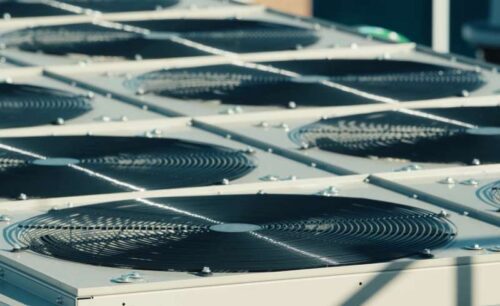 Most building teams notice failure. Fewer teams notice the slow performance loss that comes first.
Deferred maintenance commonly causes:
- Reduced airflow from dirty filters and blocked coils
- Poor heat transfer from coil fouling
- Longer equipment run times to meet setpoints
- Higher fan energy due to increased static pressure
- Unstable space conditions from drifted controls and sensors
The U.S. Department of Energy says that dirty, clogged filters block airflow and decrease system efficiency. Restricted airflow can let dirt build up on the evaporator coil. This buildup reduces the coil’s ability to absorb heat. ENERGY STAR highlights the need for regular filter checks and replacements. This is especially important during busy months. Dirty filters force systems to work harder, wasting energy.
These issues can exist even when tenants say the space feels fine. Then summer arrives, and the system has no buffer.
What teams often miss when they prepare for summer
Cooling capacity can look fine until peak days arrive
A system can hold temperature on a mild day and struggle on a hot day. Deferred maintenance reduces your effective capacity. The building can still cool, but it has trouble with sudden heat. Factors like solar gain, crowded spaces, and tenant equipment make it harder.
When peak conditions hit, the building must run harder. That’s when minor gaps can become major problems.
Comfort problems often follow a pattern
Many teams treat comfort calls as isolated complaints.
They often mention common causes, such as:
- Airflow imbalance
- Sensor drift
- Stuck dampers
- Control sequences that don’t match the building’s current use
Fixing those issues early often means fewer repeat calls and escalations for buildings.
Controls drift quietly
Control issues rarely announce themselves. Schedules get overridden. Setpoints get adjusted for one complaint and are never restored. Sensors lose accuracy. Technicians change the sequences during troubleshooting and then leave them in place.
Here are common reasons systems waste energy and miss comfort targets in summer.
WHY BUILDING MANAGEMENT SYSTEMS ARE IMPORTANT FOR HVAC
Energy waste is now a compliance risk for many New York City buildings
Energy waste used to be just a budget problem. In New York City, now it can also be a compliance and financial risk.
Local Law 97 sets greenhouse gas emissions limits for many buildings over 25,000 square feet. Limits started in 2024, and the next limits are tighter starting in 2030.
Deferred maintenance raises energy use. This happens because systems operate for extended periods and with reduced efficiency. That can raise emissions, which can make compliance harder over time.
Even if your building is doing well, summer can show waste. It is also the season that can push marginal buildings into risky territory.
Peak summer demand makes failures more likely
New York’s electric demand peaks in the summer because of the high cooling load. The NYISO often highlights this summer peak pattern.
Peak days stress the grid and your equipment at the same time. If maintenance is deferred, those are the days you see:
- Reduced chiller and condenser performance
- Higher condenser pressures and nuisance trips
- Air handlers that cannot move enough air to hold zone temperatures
- Hot spots that escalate into tenant emergencies
- More service calls when response windows are tight across the city
This is exactly why our team pushes for pre-summer readiness. Summer is not the time to discover you have a capacity problem.
What to focus on before cooling season starts
Most buildings do not need perfection. They need predictable performance and stable control. These are some of the highest-impact checks we recommend before summer.
Airflow and filtration
Filters, belts, and airflow restrictions are common root causes of poor cooling. They also drive energy waste. The Department of Energy and ENERGY STAR stress that keeping filters clean is key for system efficiency and performance.
Coil condition and heat transfer
Dirty coils reduce capacity. Your system may still meet setpoints in spring, then lose control during high heat. Coil cleaning and inspection can greatly boost performance when done carefully.
Heat rejection systems
Cooling towers, condenser water systems, strainers, and water treatment are key in summer. Heat rejection weakness shows up fastest under peak ambient conditions.
Controls, sensors, and scheduling
Verify sensor accuracy and confirm schedules reflect real occupancy. Confirm sequences are not fighting each other. Small controls issues become large comfort issues under load.
Standardized maintenance practice
ASHRAE is the American Society of Heating, Refrigerating and Air-Conditioning Engineers. It publishes widely used guidance for commercial heating, ventilation, and air conditioning maintenance. ANSI stands for the American National Standards Institute. ACCA means the Air Conditioning Contractors of America. They publish ANSI/ASHRAE/ACCA Standard 180. This standard details minimum inspection and maintenance practices. It aims to enhance comfort, save energy, and improve indoor air quality in commercial spaces. Documented and repeatable maintenance helps buildings experience fewer surprises. This leads to more consistent performance across shifts.
CONDUCTING HVAC SYSTEM ANALYSIS: A COMPREHENSIVE GUIDE
How Donnelly Mechanical reduces summer risk for New York City buildings
Deferred maintenance isn’t always neglected. It often comes from competing priorities, tight schedules, and limited downtime. Summer does not care about any of that.
Donnelly Mechanical helps NYC building owners, property managers, and facility teams. They lower risk before peak season. They focus on key control points for reliable cooling. This includes focused maintenance, checking airflow, validating controls, and analyzing heat transfer. This helps find capacity loss before it turns into an emergency.
If your building has summer comfort issues, high cooling needs, or many emergency calls, improve its performance now. Pre-summer work is almost always less expensive than in-season failure. Schedule a maintenance check today.
Frequently Asked Questions
Start with pre-summer preventive maintenance and verification of airflow, controls, heat rejection, and schedules. Using a standardized approach aligned with commercial maintenance guidance such as ANSI, ASHRAE, and ACCA Standard 180 supports more stable operation
Dirty filters restrict airflow and reduce efficiency. The Department of Energy explains that restricted airflow can also contribute to dirt buildup on the evaporator coil, which reduces its ability to absorb heat. ENERGY STAR also notes that dirty filters make systems work harder and waste energy.
High outdoor temperatures increase cooling demand quickly. Deferred maintenance often reduces airflow and heat transfer, so your system has less usable capacity when demand spikes.
Tenant equipment can change load patterns and extend run time. If base building systems are underperforming due to deferred maintenance, the combined load increases strain and raises the chance of comfort failures and emergency calls.
Local Law 97 applies emissions limits to many New York City buildings and tightens those limits in 2030. Deferred maintenance can increase energy use because systems run longer and less efficiently, which can raise emissions over time.
 Get in Touch