SUMMARY
Uneven cooling is one of the most common summer issues in NYC buildings. When one suite stays warm while another is freezing, the root cause is usually airflow, controls, or equipment performance. With a structured diagnostic process, you can identify what is driving the imbalance and correct it with targeted, lasting fixes.
What uneven cooling looks like in NYC buildings
Uneven cooling shows up fast in summer. Sun-exposed perimeter areas can warm up in the afternoon while interior spaces stay comfortable. Upper floors often struggle on peak days and tenants may complain about drafts in one room and stale air in the next.
In New York City, these problems are often linked to building changes over time. Renovations, layout updates, and shifting occupancy patterns can change where heat builds up and where airflow is needed. If the HVAC system is not rebalanced and returned to match those changes, uneven comfort becomes the norm.
Thermal comfort is influenced by more than just temperature alone. Air movement, humidity, and radiant heat also shape how tenants experience a space.
Why lowering the thermostat does not solve the problem
Turning the thermostat down is a common response, but it does not fix uneven cooling. If one zone is already getting too much cold air, lowering the setpoint makes that zone colder while the warm areas stay warm.
This also drives longer runtimes and higher energy use. It increases stress on equipment and can lead to frequent overrides and constant adjustments that never produce stable comfort. Uneven cooling is a system issue, and it requires a system level diagnostic approach.
The most common causes of uneven cooling
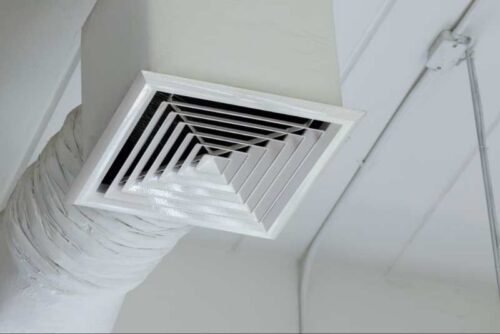 Airflow is not balanced for current conditions
Air balancing is one of the most direct drivers of consistent comfort. When the correct amount of air does not reach each zone, some areas will always lag behind. Testing, adjusting, and balancing verifies airflow and makes corrections so the system distributes air properly across the building.
Over time, systems drift out of balance as normal building activity changes how air moves through space. Dampers get adjusted, filters become loaded, tenant layouts shift, and equipment replacements alter airflow patterns. Without periodic testing and correction, even a well designed system can start delivering uneven comfort.
UNDERSTANDING AIR BALANCE: WHAT YOU NEED TO KNOW
Controls are not tuned to how the building is used today
Controls run the HVAC system. When schedules, sensors, setpoints, and sequences are not aligned, zones will fight each other. You see it as hot and cold swings, spaces that never stabilize, and complaints that show up at the same times each day.
Common examples include sensors reading the wrong area, thermostats placed near drafts or solar gain, and outdated control logic that no longer matches occupancy patterns.
WHY BUILDING MANAGEMENT SYSTEMS ARE IMPORTANT FOR HVAC
Return air and air circulation are restricted
Supply air gets most of the attention, but return air is just as important. Supply air is the cooled air your system delivers into a space. Return air is the air that gets pulled back out of the space and routed back to the air handler to be cooled and circulated again. When return air pathways are restricted, the system cannot move air the way it was designed to. That reduces circulation, creates pressure issues, and can make some rooms feel stuffy, warm, or drafty even when the thermostat looks correct. NREL guidance on air distribution explains how return air pathways affect overall system performance and comfort.
Equipment performance is slipping or components are mismatched
Uneven cooling can also point to declining system performance. Coils collect dirt and lose heat transfer, fans move less air than they should, Variable Air Volume (VAV) boxes can get stuck or drift out of calibration, and control components can fail or respond inconsistently. In older NYC buildings, partial upgrades can add another layer of complexity, especially when new equipment or controls are expected to work with older distribution systems that were not designed for today’s loads.
When the system is under peak summer demand, these weak points show up first as comfort problems. Identifying them early helps you correct the issue before it turns into repeated service calls, tenant disruption, or a larger equipment failure.
The building load changed and the system never caught up
Many buildings no longer run the way they did when the HVAC system was originally designed. Spaces get repurposed, like a storage room turning into a conference room, and tenants often add equipment that puts off extra heat. Occupancy levels rise, operating hours expand, and the cooling demand shifts from one zone to another. If the system’s airflow and controls are not adjusted to match those changes, uneven cooling becomes an expected result rather than a surprise.
What a proper diagnostic visit should include
When a building does not cool evenly, the fastest path to a real fix is a structured diagnostic process. That means following patterns, verifying performance, and testing the variables that drive comfort.
A proper diagnostic typically includes:
- Reviewing complaint patterns by time of day, floor, and exposure
- Verifying sensor location and calibration
- Checking supply and return temperatures and system response
- Inspecting dampers, valves, and actuators for proper operation
- Reviewing schedules, sequences, and override history in the control system
- Measuring airflow and comparing it to what the space requires
- Identifying building changes that affected loads and zoning
This type of tuning work aligns with retro commissioning best practices, which focus on correcting issues that develop as equipment ages and space use changes.
When uneven cooling means it is time to plan upgrades
Not every comfort issue requires a major project, but recurring uneven cooling is a clear sign the building needs a plan. If the same complaints return every summer, overrides become routine, or key equipment is approaching end of life, targeted upgrades are often the most cost-effective way to restore consistent comfort and reduce repeat service cycles.
The best place to start is diagnostics. Once the root cause is confirmed, you can prioritize improvements that deliver measurable comfort gains with minimal disruption to tenants and day-to-day operations.
CONDUCTING HVAC SYSTEM ANALYSIS: A COMPREHENSIVE GUIDE
How Donnelly stabilizes comfort across zones
At Donnelly Mechanical, we treat uneven cooling as a diagnostic issue with specific, solvable root causes. We pinpoint what is driving the imbalance, then apply targeted corrections that improve comfort, reliability, and overall system performance across every zone.
We support NYC building owners and facility managers with HVAC service and maintenance that holds up under peak summer demand, airflow testing and balancing that restores proper distribution, and controls review and refinement that reduces zone fighting and drift. We also address weak components early, before they turn into recurring complaints or emergency calls, and we back it all with customized maintenance agreements designed to protect uptime and prevent repeat issues.
If uneven cooling is creating recurring tenant complaints, explore our commercial HVAC service and maintenance options to see how we diagnose the cause and stabilize comfort across your building.
Frequently Asked Questions
Sun exposure and heat gain vary by orientation, especially in buildings with large window areas. If airflow and controls are not tuned to match those load differences, the sunny side will stay warmer. A diagnostic review confirms whether the issue is load, airflow, or controls.
Yes. When uneven temperatures are driven by airflow distribution, balancing is one of the most effective solutions. It tests, adjusts, and verifies airflow so zones receive what they need based on current conditions.
If comfort issues follow a predictable schedule, if zones swing hot and cold, or if manual overrides are common, controls are usually involved. Sensor placement, scheduling, and sequence logic often create uneven cooling even when the equipment is capable.
Retro commissioning is a process that fine tunes building systems to restore performance and correct drift over time. It is a strong fit for buildings with recurring comfort issues, changing occupancy patterns, or a history of piecemeal updates.
Track where complaints happen, when they happen, outdoor conditions, thermostat readings, setpoints, and recent changes like renovations or schedule updates. Patterns help diagnose causes quickly and reduce repeat service cycles.
 Get in Touch